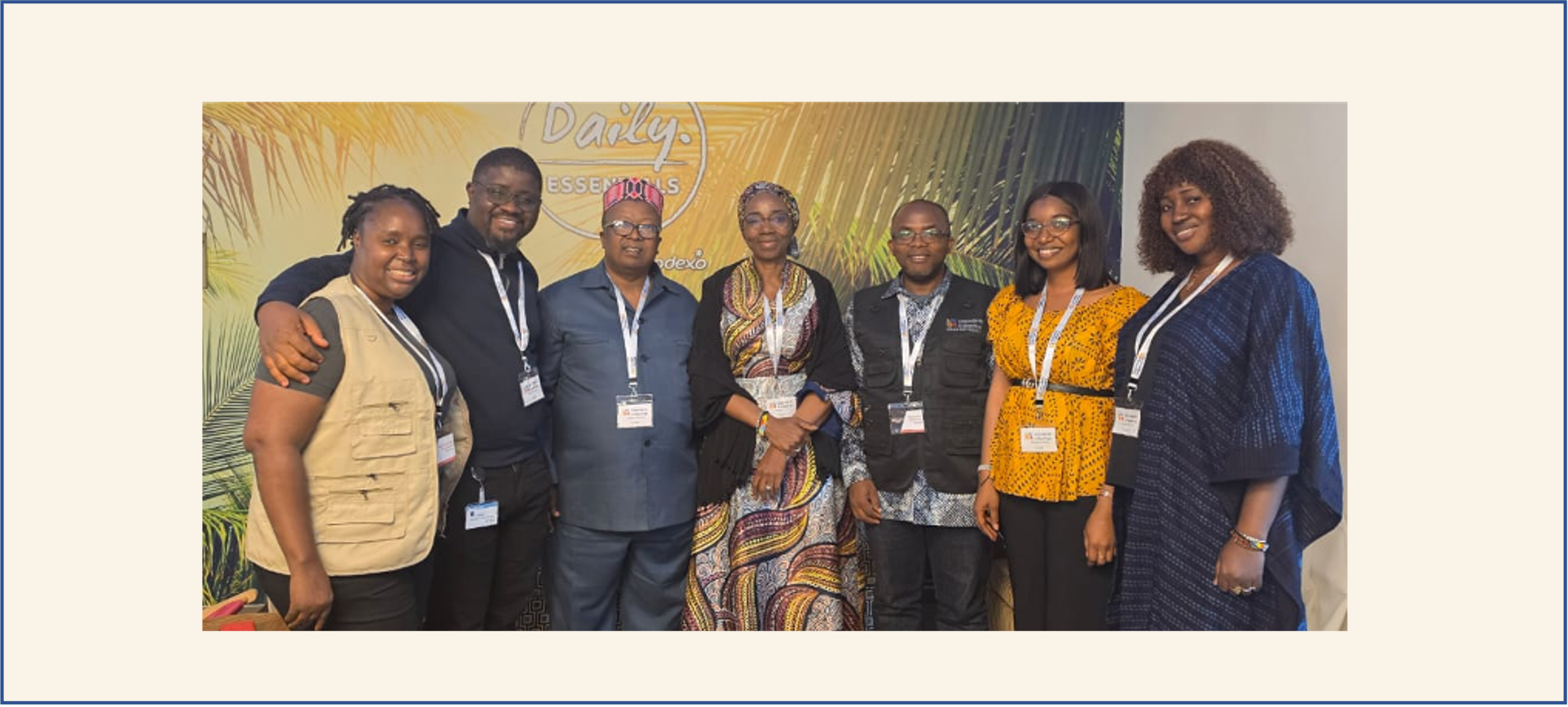
I’ve spent years working at the intersection of art and science, but few projects have taught me as much as UrbanBirth Collective Forum Song. It all started with a simple question: What if understanding maternal health data didn’t necessarily mean sitting and listening to numbers projected onto a slide? Maternal health research and interventions are based on essential data. But numbers, on their own, can seem abstract—disconnected from the lives they’re meant to describe. I’ve seen it happen time and again: a room full of engaged people, genuinely eager to understand, and yet the information… just doesn’t land. So, at the UrbanBirthCollective Forum at the Institute of Tropical Medicine in Antwerp in June 2026, I wanted to try something different. Instead of simply asking participants to listen, I invited them to engage—with their bodies, through rhythm, through interaction. Something physical, emotional, and collective, all at once.
This project lies at the intersection of three dimensions that are deeply important to me: scientific research, which provides the content and the relevance; artistic creation, which opens a space for expression and transformation; and collective participation, which becomes the driving force of the entire process. I think this transdisciplinary approach says something important about science communication more generally. We don't have to remain prisoners of the old model where information flows in only one direction, from speaker to listener.On the contrary, we can build something where people actively appropriate knowledge—and where this engagement is truly sustained over time.
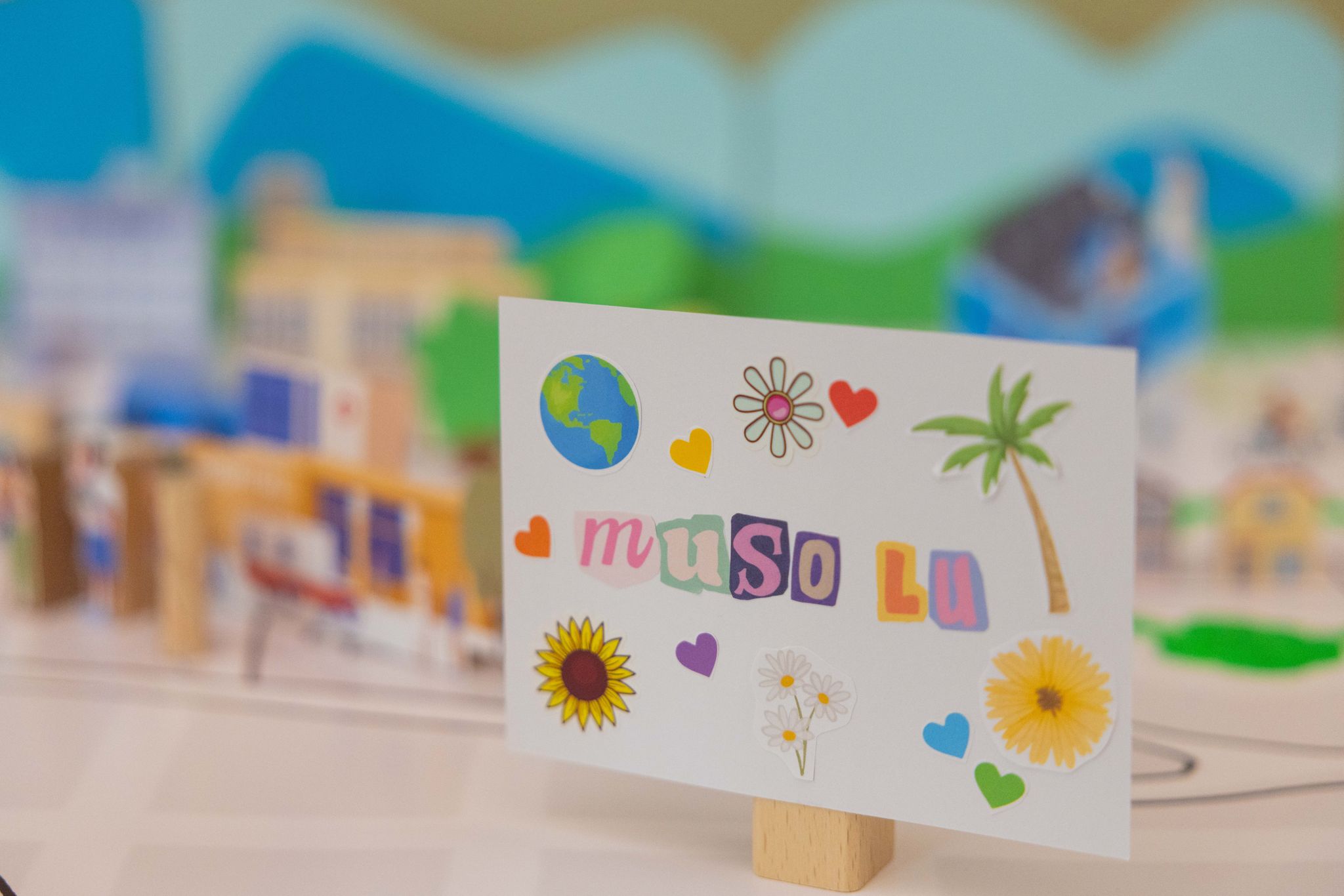
The UrbanBirth Forum song was created step by step, starting with a small group of participants brought together over several working sessions. We began by identifying three rhythms linked to the three countries represented in the project—Guinea with Yankadi, Benin with Agbadja, and the Democratic Republic of Congo with N’dombolo— so that the composition would have an intercultural dimension from the outset. From these musical inspirations, we searched together for simple, accessible, and meaningful words, until the lyrics and voices that would interpret theme merged. The title Muso Lu, which means “women” in Bambara, became a symbolic anchor: a way of placing women, their experiences, and their health at the heart of the creation.
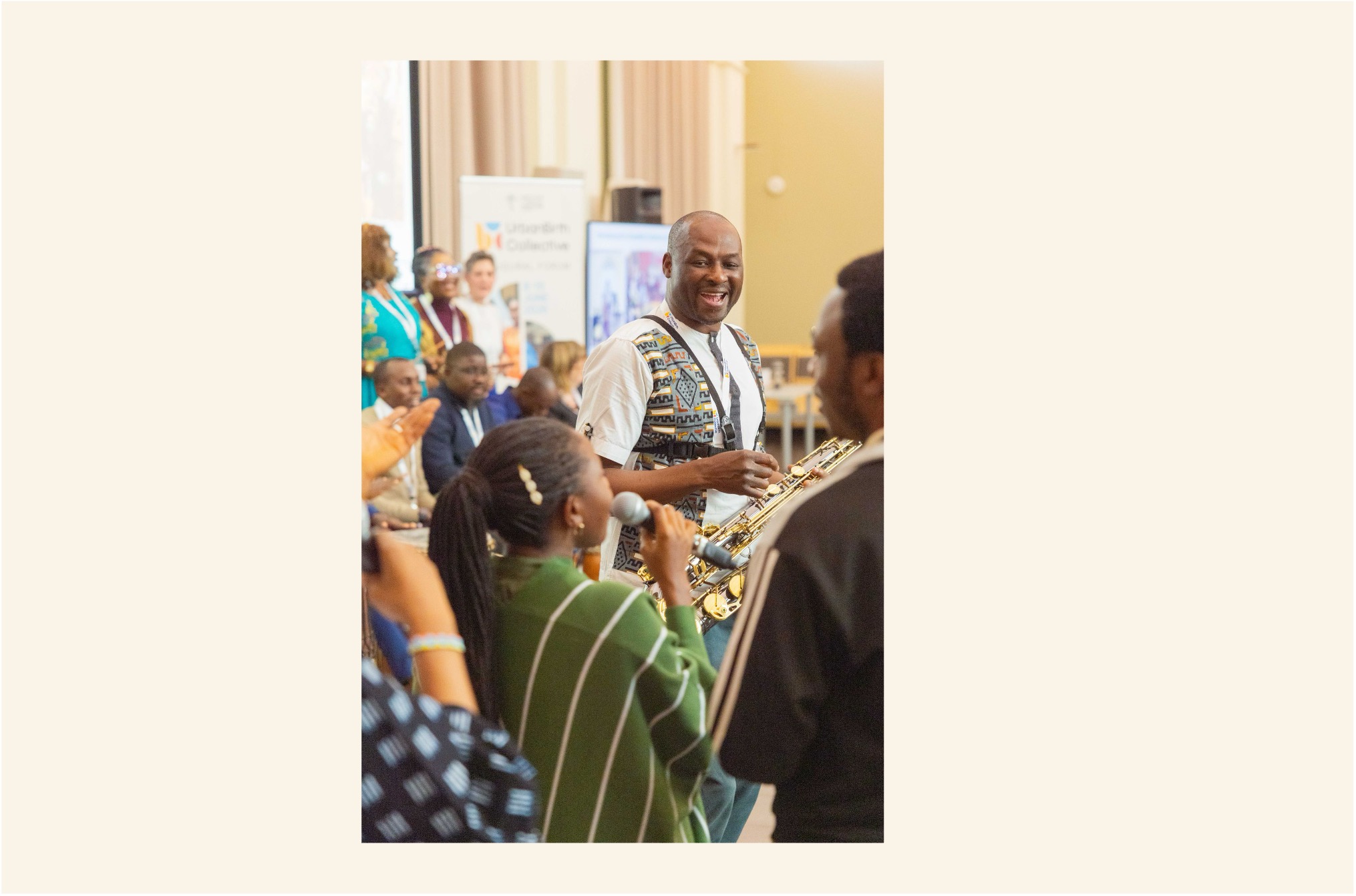
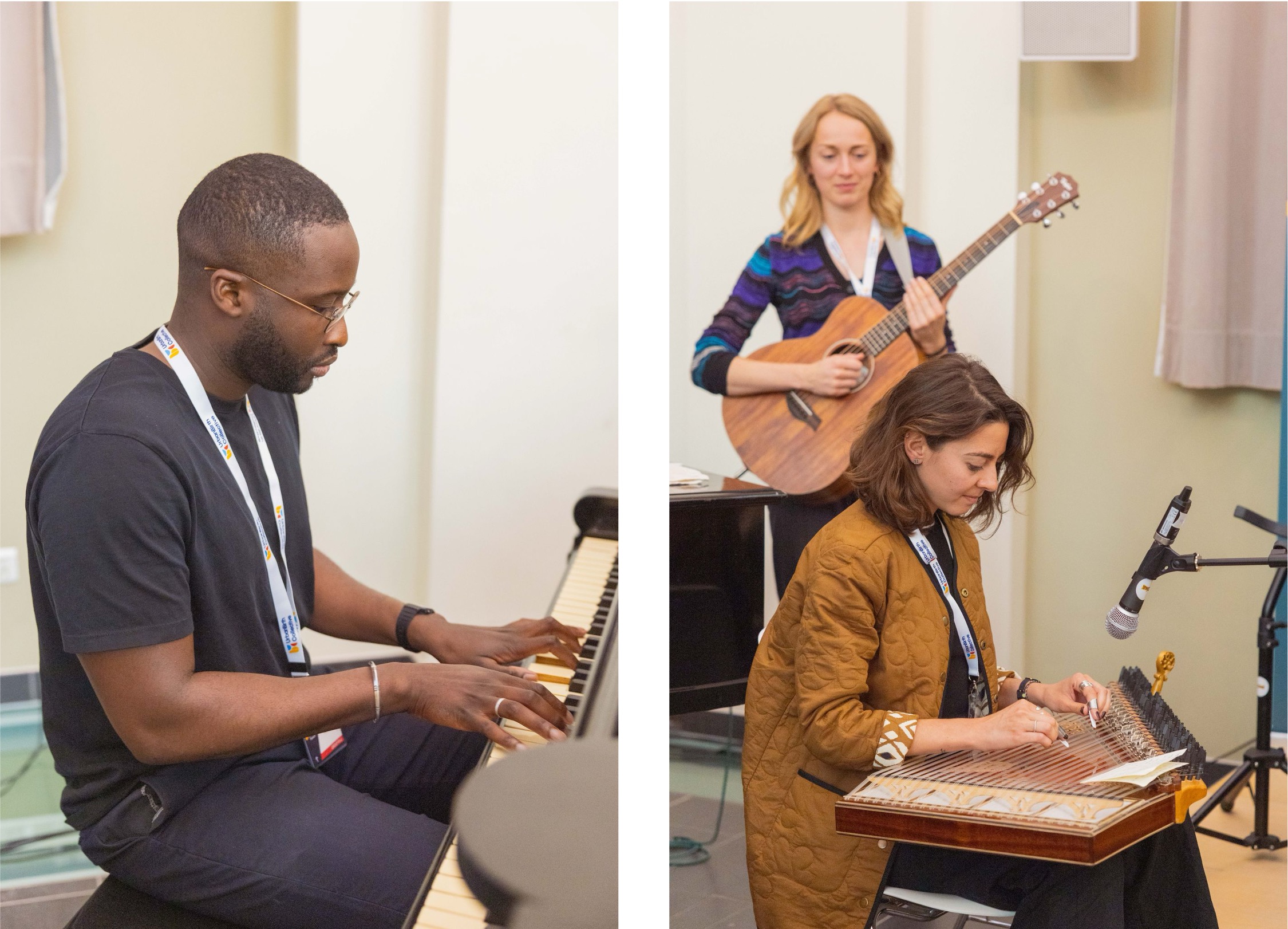
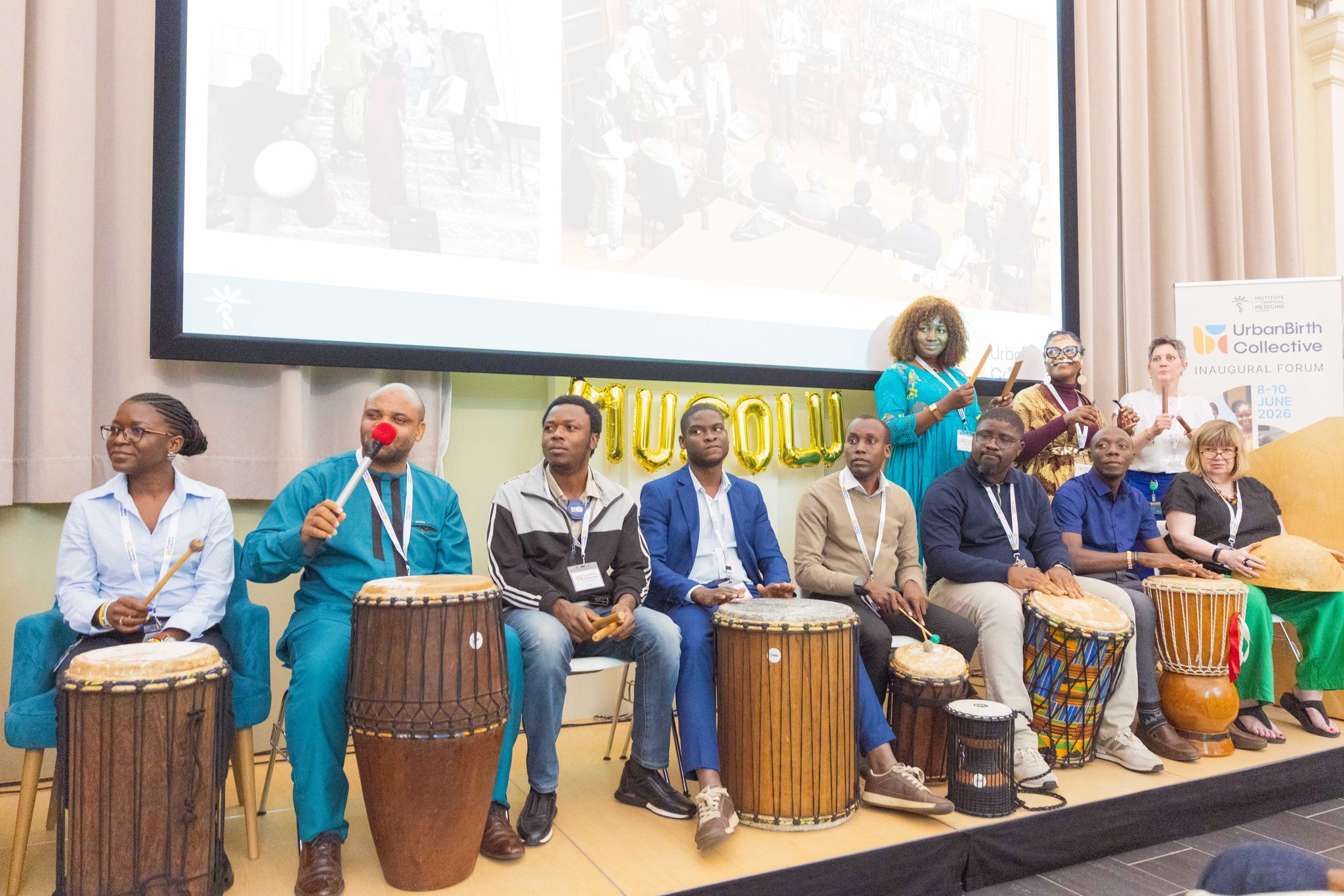
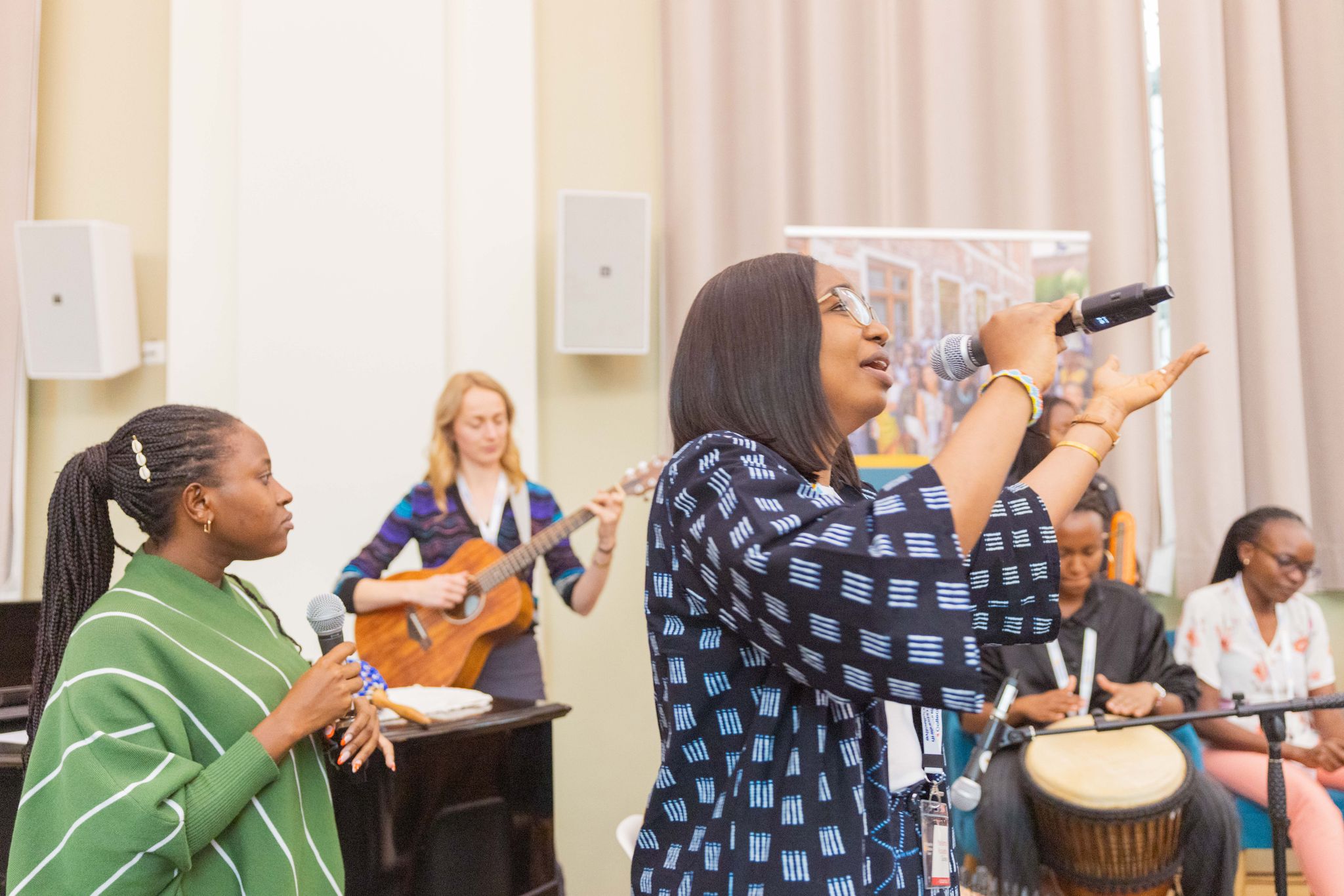
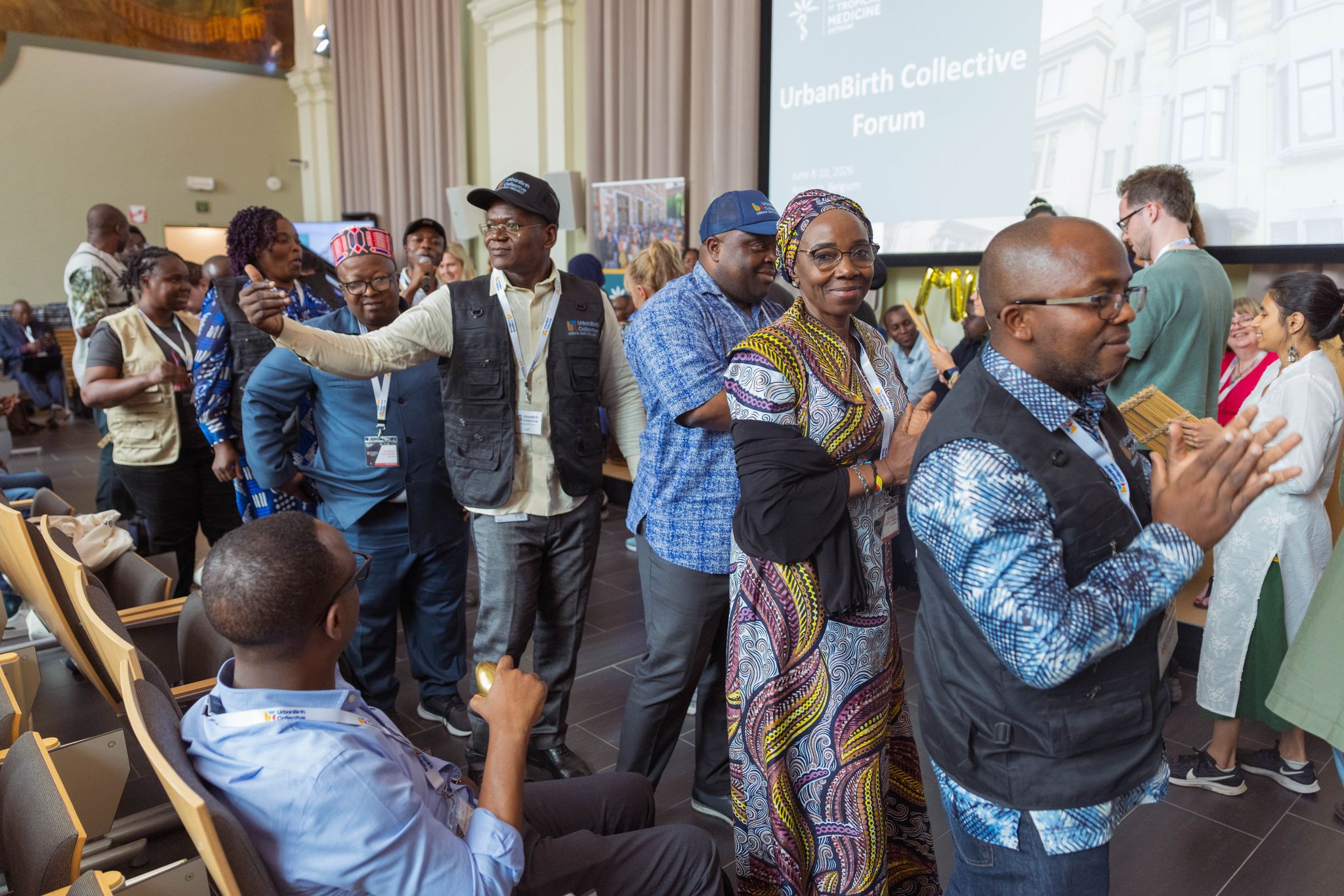
The rhythmic foundation was then built collectively with body percussion, handclaps, and simple instruments, before being enriched by other musical colors: piano, qanun, guitar, and saxophone. During the Forum, this open structure allowed new people to join the performance. Male voices were added to remind everyone that men's involvement is also part of the issues surrounding maternal health. Dance emerged spontaneously during the performance, as a natural response to the group's energy. It is precisely these details—the melodies, the languages, the instruments, the moving bodies, and the voices coming together—that gave the song its collective power.
The experience unfolded gradually, almost like a musical piece slowly taking shape. It begins with physical and rhythmic activation, as the group enters into a shared dynamic. From there, a collective language begins to emerge, with gestures, sounds, and words becoming common ground. Individual voices then find their place through exploration and improvisation, enriching what the group builds together. This energy is channeled into a structured co-creation, culminating in a 10- to15-minute participatory performance that embodies the entire process. What I love most about this process is how the usual roles dissolve: there's no longer an "expert at the front" and an "audience in rows".Everyone becomes a participant. Everyone becomes a co-creator.
The lyrics of the slam:
In French
La maternité n’est pas une urgence à gérer,
C’est une vie à protéger.
Un cri de nouveau-né,
C’est l’avenir qui vient respirer.
Mais combien de mères tombent encore
Entre les murs du silence et du manque d’effort ?
Combien d’enfants ferment les yeux
Avant même d’avoir connu le bleu des cieux ?
Alors aujourd’hui, je slame,
Pour toutes ces mamans.
Je slame pour les enfants,
Je slame pour Diamantine, qui voulait voir sa fille grandir.
Je slame pour l’espoir qui attend.
Que chaque battement de cœur entendu dans une maternité
Devienne une promesse d’humanité.
Parce qu’au fond…
Sauver une mère,
C’est sauver le monde.
In English
Motherhood is not an emergency to manage,
It is a life to protect.
The cry of a newborn
Is the future taking its first breath.
But how many mothers still fall
Between the walls of silence and neglect?
How many children close their eyes
Before even seeing the blue of the skies?
So today, I slam,
For all these mothers.
I slam for the children,
I slam for Diamantine, who wanted to see her daughter grow up.
I slam for the hope waiting ahead.
May every heartbeat heard in a maternity ward
Become a promise of humanity.
Because deep down…
Saving a mother
Means saving the world.
Refrain (meaning “women”)
Bambara : Musolu, musolu, musolu, musolu
Kiswahili : Mwanamke, mwanamke, mwanamke, mwanamke
Listen to the audio recording of the Muso Lu song
Feedback from participants confirmed the strength of this approach. Several explained that they understood the information more directly and concretely than during a traditional presentation. Others emphasized how quickly a sense of cohesion developed in the group, despite the diverse backgrounds of those present. For me, this is where the project reveals its full potential: the data ceases to be mere numbers and becomes a shared experience, something that is understood, felt, and remembered.
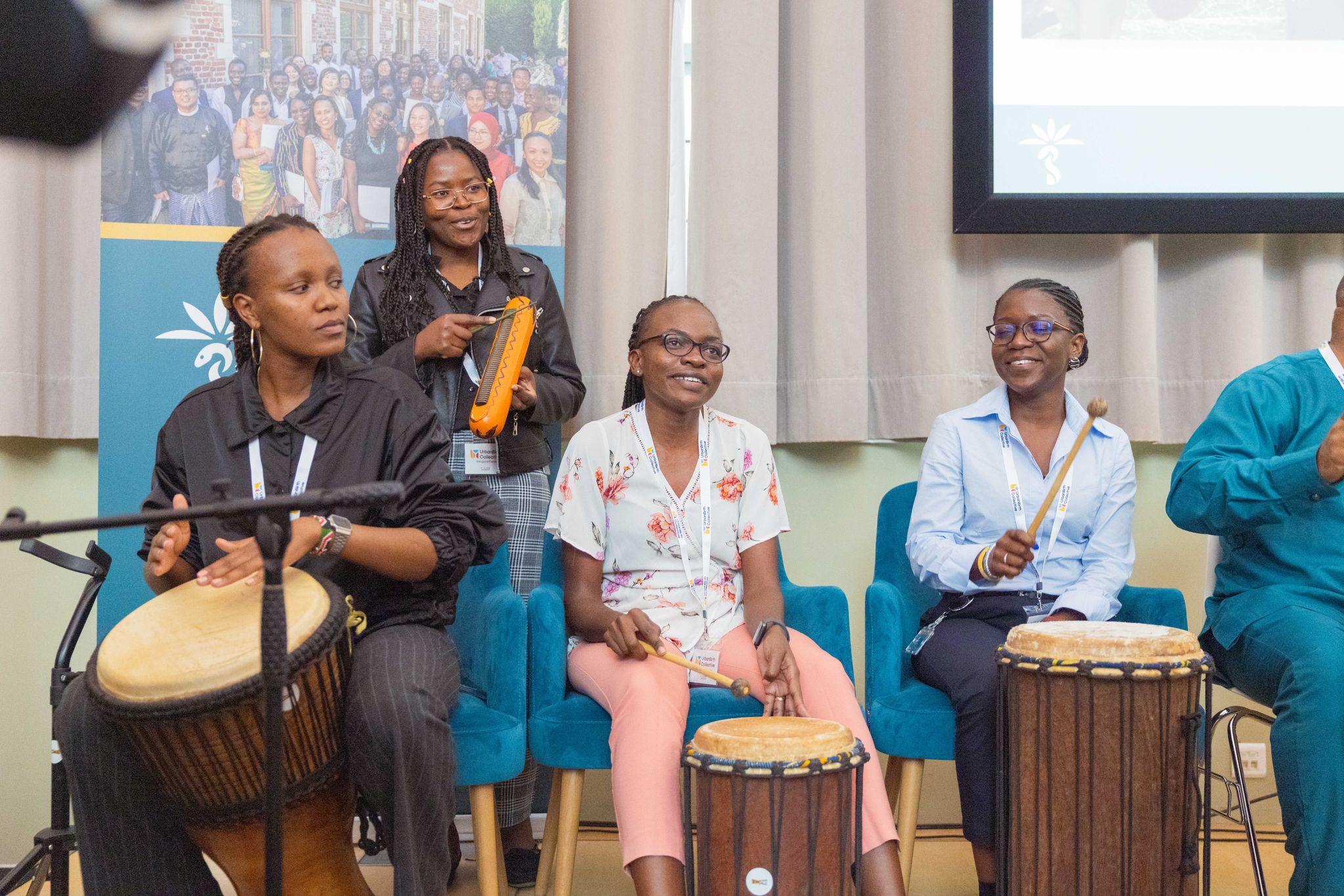
I believe this type of work opens a new path for scientific communication: more embodied, more participatory, and more accessible. No prior knowledge is necessary to take part in the process, and engagement transforms when people move, sing, listen, and create together. What we feel in our bodies often stays with us longer than what we simply hear. This method can therefore help with memorization, but also with opening up dialogue between disciplines, cultures, and life experiences. Drawing on my artistic work with collective creation, I began to develop a transferable and adaptable methodology, one I envision for scientific forums, public health programs, intercultural projects, and educational settings.
The UrbanBirthCollective Forum Song showed me that there is another way to circulate knowledge: one that mobilizes the collective, creativity, and human connection. When data becomes a song sung together, people no longer simply receive information. They understand it better, they grasp the issues at stake, they forge connections, and they remain engaged longer. For me, this project proves that art, science, and participation don't just coexist: together, they can create something that none of them could achieve alone.
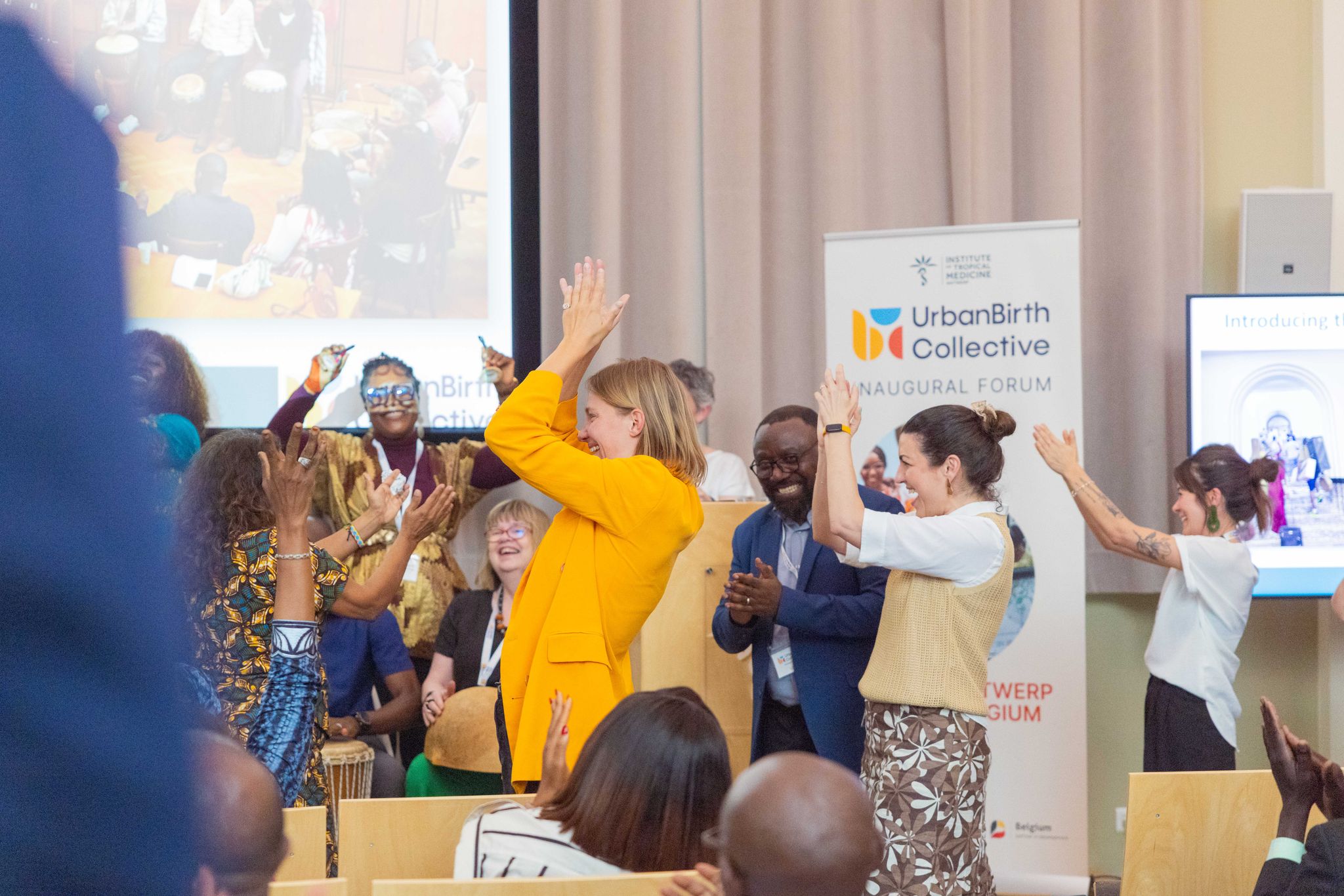
Acknowledgments
I would like to thank everyone who participated in this collective creation, through their presence, their voices, their listening, their actions, and their energy. Thank you to the participants of the UrbanBirth Collective Forum, the musicians, the singers, and everyone who made this encounter between art, science, and activism possible. This song is the result of a collaborative effort, and it carries the strength of each contribution.
Email: souleysoleil225@gmail.com
Listen to the audio recording of the Muso Lu song
J’ai passé des années à travailler au croisement de l’art et de la science, mais peu de projets m’ont autant appris que UrbanBirth Collective Forum Song. Tout est parti d’une question simple : et si comprendre les données sur la santé maternelle ne signifiait pas forcément rester assis à écouter des chiffres projetés sur une diapositive ?
Les enjeux de santé maternelle reposent sur des données essentielles. Mais les chiffres, à eux seuls, peuvent sembler abstraits — déconnectés des vies qu’ils sont censés décrire. Je l’ai vu se produire encore et encore : une salle remplie de personnes engagées, sincèrement désireuses de comprendre, et pourtant l’information… ne trouve pas toujours sa place. Ainsi, lors du Forum à l’Institut de Médecine Tropicale d’Anvers, en juin 2026, j’ai voulu tenter autre chose. Au lieu de demander aux participant·es de simplement écouter, je les ai invité·es à s’engager — avec leur corps, par le rythme, par l’interaction. Quelque chose de physique, d’émotionnel et de collectif, tout à la fois.
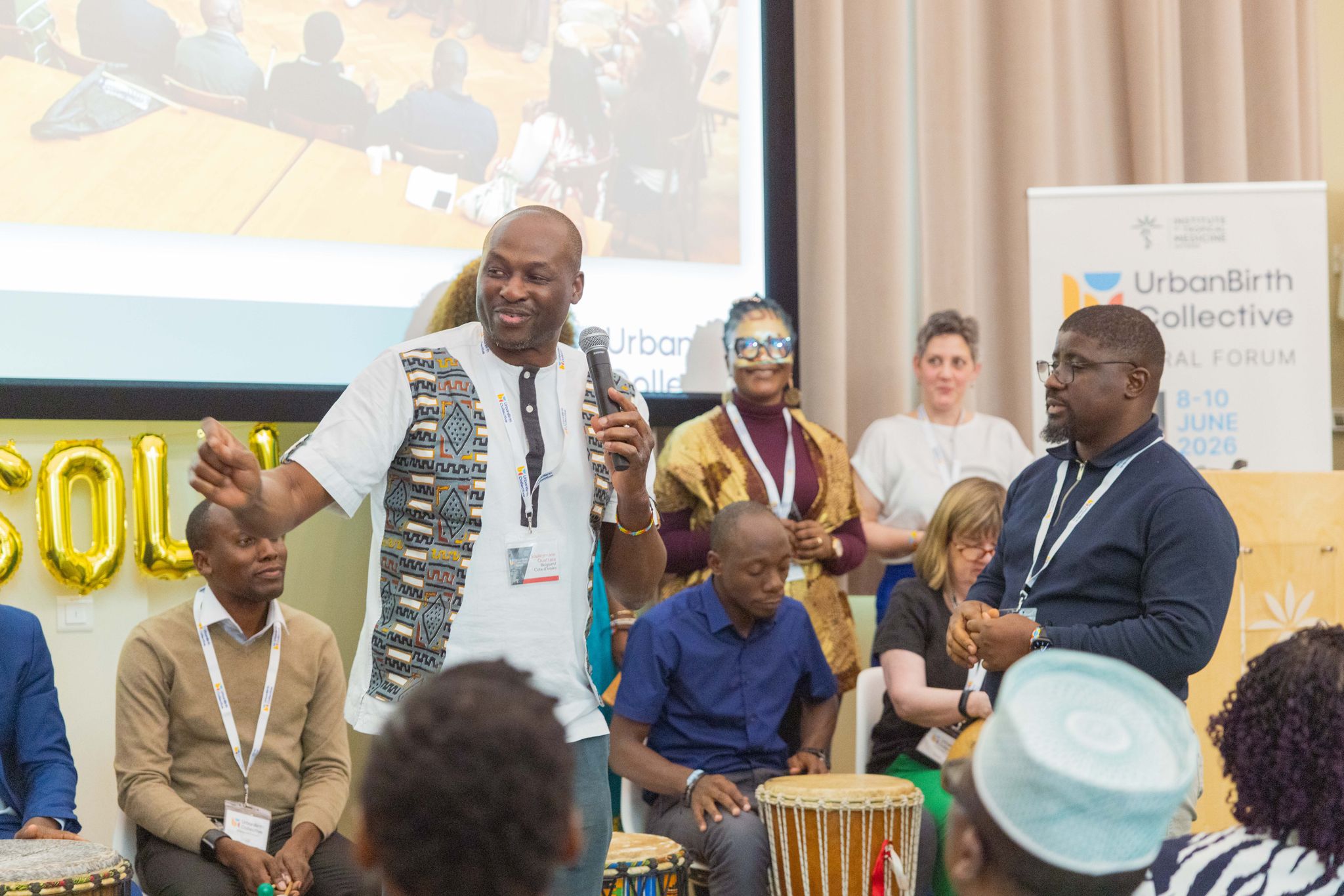
Ce projet se situe àl’intersection de trois dimensions qui me tiennent profondément à cœur : la recherche scientifique, qui apporte le contenu et les enjeux ; la création artistique, qui ouvre un espace d’expression et de transformation ; et la participation collective, qui devient le moteur de tout le processus. Je pense que cette approche transdisciplinaire dit quelque chose d’important sur la communication scientifique de manière plus générale. Nous n’avons pas à rester prisonniers de l’ancien modèle où l’information circule dans un seul sens, de l’expert vers le public. Nous pouvons au contraire construire quelque chose où les personnes s’approprient activement les connaissances — et où cet engagement s’inscrit réellement dans la durée.
La création de la chanson s’est faite étape par étape, à partir d’un petit groupe de participant·es réuni au cours de plusieurs séances de travail. Nous avons commencé par identifier trois rythmes liés aux trois pays représentés dans le projet — la Guinée avec le Yankadi, le Bénin avec l’Agbadja et la République démocratique du Congo avec le N’dombolo — afin que la composition porte dès le départ une dimension interculturelle. À partir de ces inspirations musicales, nous avons cherché ensemble des mots simples, accessibles et porteurs de sens, jusqu’à faire émerger les paroles et les voix qui allaient les interpréter. Le titre Muso Lu, qui signifie « les femmes » en bambara, est devenu unpoint d’ancrage symbolique : une manière de placer les femmes, leurs expériences et leur santé au centre de la création.
La base rythmique aensuite été construite collectivement avec des percussions corporelles, des frappes de mains et des instruments simples, avant d’être enrichie par d’autres couleurs musicales : le piano, le qanoun, la guitare et le saxophone. Pendant le Forum, cette structure ouverte a permis à de nouvelles personnes de rejoindre la performance. Des voix masculines se sont ajoutées pour rappeler que l’implication des hommes fait aussi partie des enjeux de santé maternelle. La danse, elle, est apparue de manière spontanée pendant la présentation, comme une réponse naturelle à l’énergie du groupe. Ce sont précisément ces détails —les mélodies, les langues, les instruments, les corps en mouvement et les voix réunies — qui ont donné à la chanson sa force collective.
L’expérience se construit progressivement, presque comme une pièce musicale qui trouve peu à peu sa forme. Elle commence par une activation physique et rythmique, tandis que le groupe entre dans une dynamique commune. À partir de là, un langage collectif commence à émerger, avec des gestes, des sons et des mots qui deviennent un terrain partagé. Les voix individuelles prennent ensuite leur place à travers l’exploration et l’improvisation, enrichissant ce que le groupe construit ensemble. Cette énergie est canalisée dans une co-création structurée, jusqu’à aboutir à une performance participative de 10 à 15 minutes qui incarne l’ensemble du parcours. Ce que j’aime le plus dans ce processus, c’est la manière dont les rôles habituels se dissolvent : il n’y a plus d’«expert à l’avant » et de « public en rangées ». Chacun·e devient participant·e. Chacun·e devient co-créateur·rice.
Les paroles du slam :
Slam en français
La maternité n’est pas une urgence à gérer,
C’est une vie à protéger.
Un cri de nouveau-né,
C’est l’avenir qui vient respirer.
Mais combien de mères tombent encore
Entre les murs du silence et du manque d’effort ?
Combien d’enfants ferment les yeux
Avant même d’avoir connu le bleu des cieux ?
Alors aujourd’hui, je slame,
Pour toutes ces mamans.
Je slame pour les enfants,
Je slame pour Diamantine, qui voulait voir sa fille grandir.
Je slame pour l’espoir qui attend.
Que chaque battement de cœur entendu dans une maternité
Devienne une promesse d’humanité.
Parce qu’au fond…
Sauver une mère,
C’est sauver le monde.
Slam en anglais
Motherhood is not an emergency to manage,
It is a life to protect.
The cry of a newborn
Is the future taking its first breath.
But how many mothers still fall
Between the walls of silence and neglect?
How many children close their eyes
Before even seeing the blue of the skies?
So today, I slam,
For all these mothers.
I slam for the children,
I slam for Diamantine, who wanted to see her daughter grow up.
I slam for the hope waiting ahead.
May every heartbeat heard in a maternity ward
Become a promise of humanity.
Because deep down…
Saving a mother
Means saving the world.
Refrain
Bambara : Musolu, musolu, musolu, musolu
Kiswahili : Mwanamke, mwanamke, mwanamke, mwanamke
Anglais : Women, women, women, women
Les retours des participant·es m’ont confirmé la force de cette approche. Plusieurs ont expliqué avoir compris les informations de manière plus directe et plus concrète que lors d’une présentation classique. D’autres ont souligné la rapidité avec laquelle un sentiment de cohésion s’était créé, malgré la diversité des parcours présents dans la salle. Pour moi, c’est là que le projet révèle tout son potentiel : les données cessent d’être de simples chiffres et deviennent une expérience partagée, quelque chose que l’on comprend, que l’on ressent et que l’on retient.
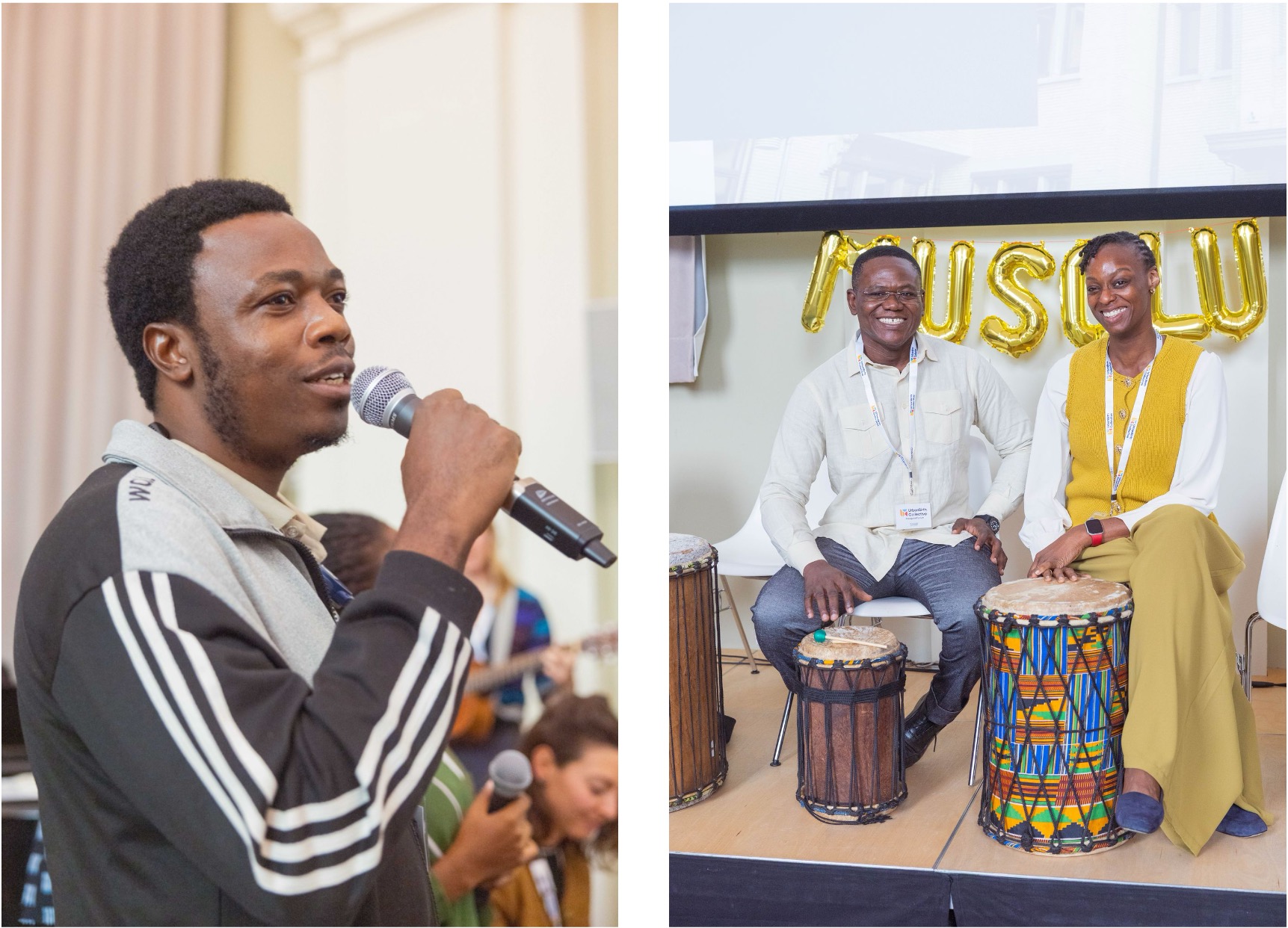
Je crois que ce type de travail ouvre une voie nouvelle pour la communication scientifique : plus incarnée, plus participative et plus accessible. Aucune connaissance préalable n’est nécessaire pour prendre part au processus, et l’engagement se transforme lorsque les personnes bougent, chantent, écoutent et créent ensemble. Ce que l’on ressent dans le corps reste souvent plus longtemps que ce que l’on entend seulement. Cette méthode peut donc aider à mémoriser, mais aussi à ouvrir le dialogue entre disciplines, cultures et expériences de vie. En m’appuyant sur mon travail artistique autour de la création collective, j’ai commencé à en faire une méthodologie transférable et adaptable, que j’imagine aussi bien dans des forums scientifiques que dans des programmes de santé publique, des projets interculturels ou des contextes éducatifs.
UrbanBirthCollective Forum Song m’a montré qu’il existe une autre manière de faire circuler les connaissances : une manière qui mobilise le collectif, la créativité et l’humain. Lorsque les données deviennent une chanson que l’on chante ensemble, les personnes ne se contentent plus de recevoir une information. Elles la comprennent mieux, elles ressentent les enjeux, elles créent des liens et restent engagées plus longtemps. Pour moi, ce projet prouve que l’art, la science et la participation ne font pas que coexister : ensemble, ils peuvent créer quelque chose qu’aucun d’eux ne pourrait accomplir seul.
Remerciements
Je tiens à remercier toutes les personnes qui ont pris part à cette créationcollective, par leur présence, leur voix, leur écoute, leurs gestes et leurénergie. Merci aux participant·es du Forum UrbanBirth Collective, auxmusicien·nes, aux chanteur·euses, ainsi qu’à toutes celles et ceux qui ontrendu possible cette rencontre entre art, science et engagement. Cette chansonest le fruit d’un travail partagé, et elle porte la force de chaque contribution.
souleysoleil225@gmail.com