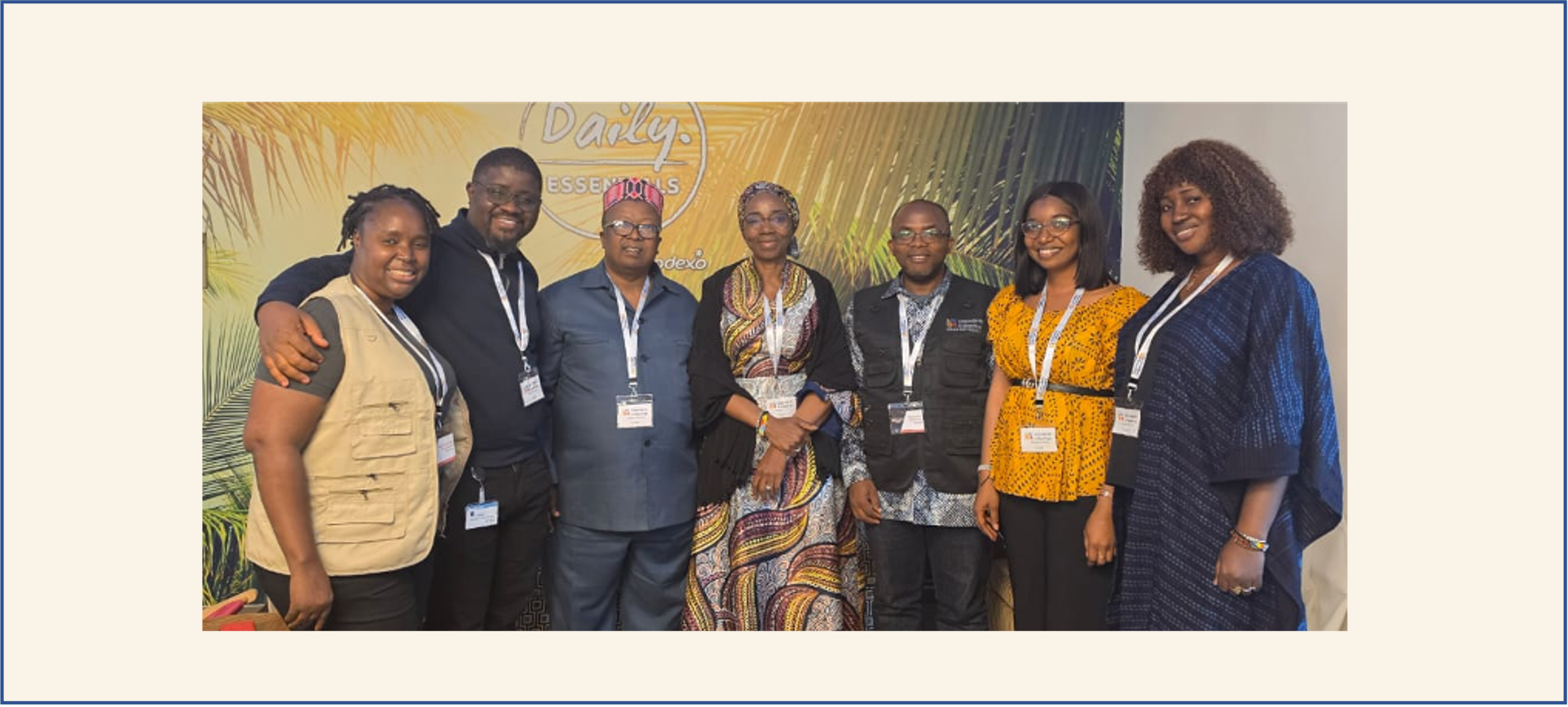
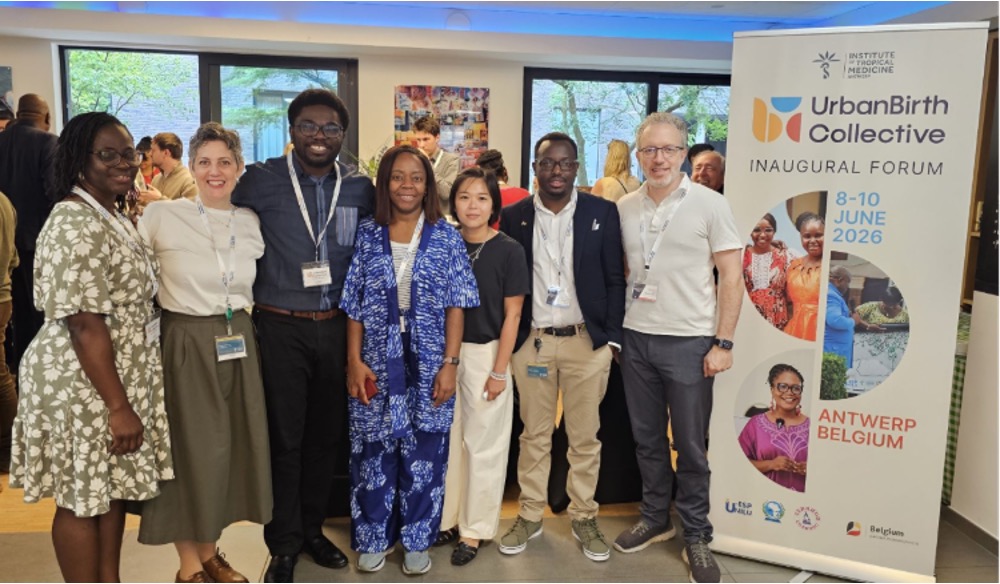
From June 8–10, 2026, the Institute of Tropical Medicine (ITM) hosted the inaugural UrbanBirth Collective Forum, bringing together a diverse group of more than 100 researchers, practitioners and policymakers to tackle one of the most urgent challenges in global health: the health of pregnant and postpartum women with a focus on sub-Saharan African cities.
Unlike traditional conferences, the Forum was deliberately designed for deep, cross-disciplinary dialogue rather than one-way presentations. Over three days, maternal and newborn health experts, urban planners, geographers, public health specialists, city administrators, and civil society representatives from 30 countries worked together to examine approaches to studying maternal and newborn health in cities, stakeholder engagement and translating findings into policy.
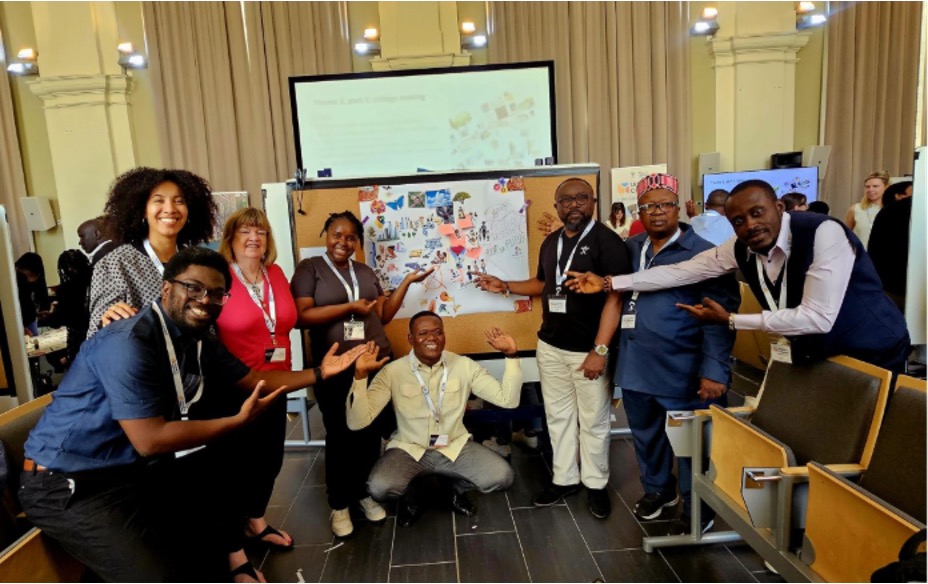
Climate-related risks take center stage
In-depth discussions in small groups also resulted in highlighting the growing impact of climate change on women during pregnancy and the postpartum period, with particular vulnerabilities of urban settings. Participants highlighted several interconnected issues:
These issues were not discussed in isolation. Participants emphasized how they disproportionately affect low-income and marginalized urban populations as well as health workers, compounding existing inequities in access to quality maternal and newborn care.
A clear call for stronger evidence and action
There was strong consensus that climate change represents a large and growing threat to maternal and newborn health in cities. While existing evidence already paints a concerning picture, attendees expressed a clear need for more robust, city-specific data to guide effective policy and intervention. Several participants shared preliminary findings from ongoing studies, while others called for better integration of climate data into routine health information systems, development of gender and environment statistics frameworks, and vulnerability indices that combine climate exposure. Together, these approaches could help build a stronger evidence base to protect maternal and newborn health in a changing climate.
Building accountability across cities
One of the most tangible outcomes of the Forum was the establishment of accountability partnerships between participants from different cities. These cross-city pairs and small groups committed to following up on shared action plans, tracking progress on climate-resilient maternal health strategies, and supporting each other in translating discussions into concrete policy recommendations.
Looking ahead
To maintain momentum, participants agreed to reconvene at a future forum to share new evidence, evaluate implemented solutions, and refine strategies. The group also expressed interest in producing joint commentary-style outputs to amplify the urgency of addressing climate-maternal health linkages in urban settings.
The Forum 2026 demonstrated that meaningful progress in maternal health will require continued collaboration across sectors and disciplines, especially if it is to understand and mitigate the impacts of climate change. As cities around the world face intensifying climate pressures, the conversations that began in Antwerp are expected to shape how researchers, policymakers, and practitioners work together to protect the health of mothers and newborns.